Unlocking Business Success in Air Freight, Shipping Centers, and Airport Logistics
In the rapidly evolving world of global commerce, air freight transportation has established itself as a cornerstone of efficient supply chains and international trade. For businesses aiming to elevate their logistical capabilities, understanding the nuances of shipping centers, transportation, and airport operations is crucial. In particular, the ability to track air freight seamlessly can dramatically enhance operational efficiency, customer satisfaction, and competitive advantage.
Understanding the Core Components of Air Freight Business
The air freight industry is a complex, multi-layered ecosystem that involves various stakeholders, including airlines, freight forwarders, customs agencies, and distribution centers. At its heart lies the need for precise coordination and timely information exchange. Here, we delve into the essential building blocks that empower businesses to thrive within this vibrant sector.
Shipping Centers: The Nerve Centers of Logistics
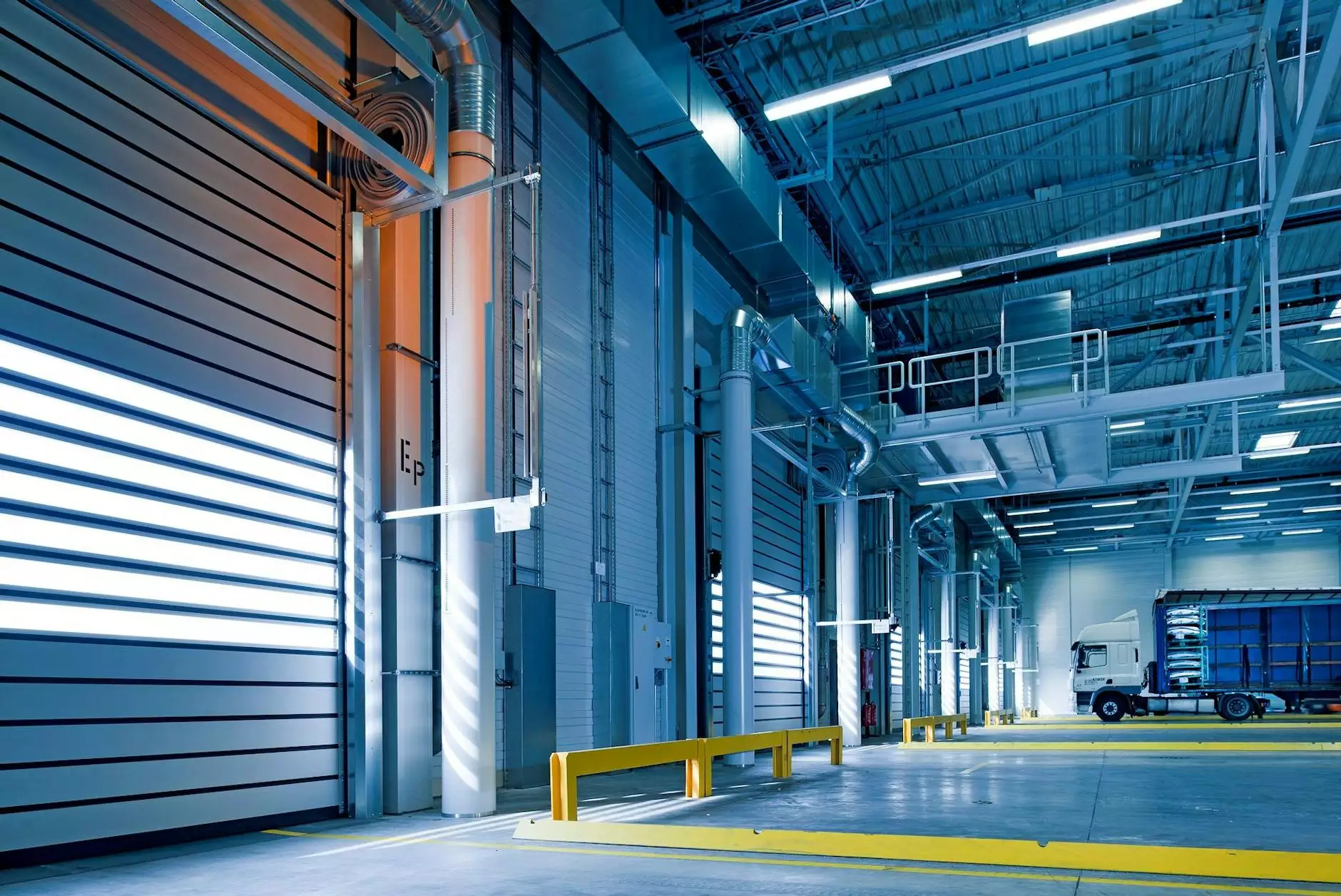
Shipping centers act as the primary nodes where goods are consolidated, sorted, and dispatched for air transit. They serve as vital hubs that streamline the flow of cargo efficiently from origin to destination. These centers incorporate state-of-the-art infrastructure, including automated sorting systems, customs clearance facilities, and real-time tracking capabilities. To optimize operations at shipping centers:
- Implement advanced inventory management systems for real-time tracking
- Leverage automation to reduce processing times and errors
- Ensure seamless communication between all stakeholders for smooth flow
The Significance of Transportation & Airport Operations
Transportation logistics cover the movement of goods from shipping centers to airports, and onward to final destinations. This stage requires optimal route planning, vehicle management, and adherence to safety standards. Modern airport logistics focus heavily on intermodal solutions—integrating road, rail, and air transit to enhance speed and reduce costs. Key aspects include:
- Efficient cargo handling at airports to minimize delays
- Real-time tracking systems for all transportation modes involved
- Collaborative coordination among airlines, ground services, and customs
The Power of Track Air Freight: Enhancing Visibility and Control
Central to modern air freight operations is the ability to track air freight throughout its journey. Leveraging cutting-edge technology, businesses can monitor each stage—from dispatch at the shipping center to delivery at the final destination—providing real-time visibility and control. Why is tracking air freight so vital?
- Increased transparency builds trust with clients and partners
- Proactive problem-solving minimizes delays and damage
- Enhanced customer experience through precise delivery estimates
- Operational efficiency by optimizing routes and resource allocation
How to Effectively Track Air Freight in Today's Business Environment
To maximize the benefits of tracking air freight, companies should adopt integrated logistics management platforms that offer:
- Real-time GPS tracking: Monitor exact location at every point in transit
- Automated notifications: Receive alerts for delays, customs clearance, or arrival
- Data analytics: Use historical data to predict and prevent issues
- Mobile accessibility: Manage shipments on-the-go for increased flexibility
Strategic Advantages of Integrating Tracking Systems with Business Operations
Integrating sophisticated tracking systems into your supply chain yields numerous strategic advantages:
- Reduced risk of loss or theft: Precise monitoring ensures cargo security
- Improved planning: Accurate delivery estimates enable better resource allocation
- Enhanced customer service: Provide clients with real-time updates and proactive solutions
- Regulatory compliance: Maintain detailed logs for customs and legal requirements
Leveraging Technology to Optimize Business Performance in Air Freight
The integration of innovative technology solutions—such as AI, machine learning, data analytics, and IoT—has revolutionized the air freight industry. These tools allow logistics providers and shippers to anticipate issues before they arise, streamline operations, and achieve operational excellence. A few key technological advancements include:
- Predictive analytics: For demand forecasting and capacity planning
- Automation bots: To handle routine tasks like documentation and customs clearance
- Blockchain: Ensuring transparency and security in transactions
- Integrated platforms: Like cargobooking.aero for end-to-end shipment tracking and management
Best Practices to Maximize Success in Air Freight and Shipping Logistics
Achieving excellence in business shipping logistics requires diligent planning and execution. Here are some best practices:
- Stay compliant with regulations: Customs, safety standards, and legal requirements
- Maintain accurate documentation: To prevent delays and fines
- Partner with reliable carriers: For consistent service quality and capacity
- Regularly train staff: To keep pace with industry advancements and protocols
- Optimize packaging: To reduce weight, prevent damage, and streamline handling
- Utilize advanced tracking systems: For end-to-end oversight and proactive management
Future Trends in Business Air Freight Management
The future of air freight logistics is poised for transformative growth driven by several key trends:
- Automation expansion: Increasing use of robotics and autonomous vehicles
- Eco-friendly solutions: Sustainable practices and greener aircraft options
- Enhanced digital platforms: More integrated and user-friendly tracking and management tools
- AI-powered analytics: Smarter insights for demand prediction and route optimization
- Blockchain adoption: Greater security and transparency in transactions
Conclusion: Positioning Your Business for Success in Air Freight Logistics
Navigating the complex landscape of shipping centers, transportation, and airport logistics requires a strategic approach centered around innovation, transparency, and efficiency. The ability to track air freight precisely and in real-time stands out as one of the most vital tools for modern logistics management. By embracing advanced tracking technologies, integrating them seamlessly into your supply chain, and continuously optimizing processes, your business can unlock new levels of performance, customer satisfaction, and profitability. Remember, partnering with dedicated, tech-forward logistics providers—such as cargobooking.aero—can significantly elevate your operational capabilities. This platform offers comprehensive solutions that simplify cargo management, enhance transparency, and foster sustainable growth in the competitive world of air freight.



