Ultimate Guide to Booklet Printing Cost: Unlocking Value in Professional Printing Services
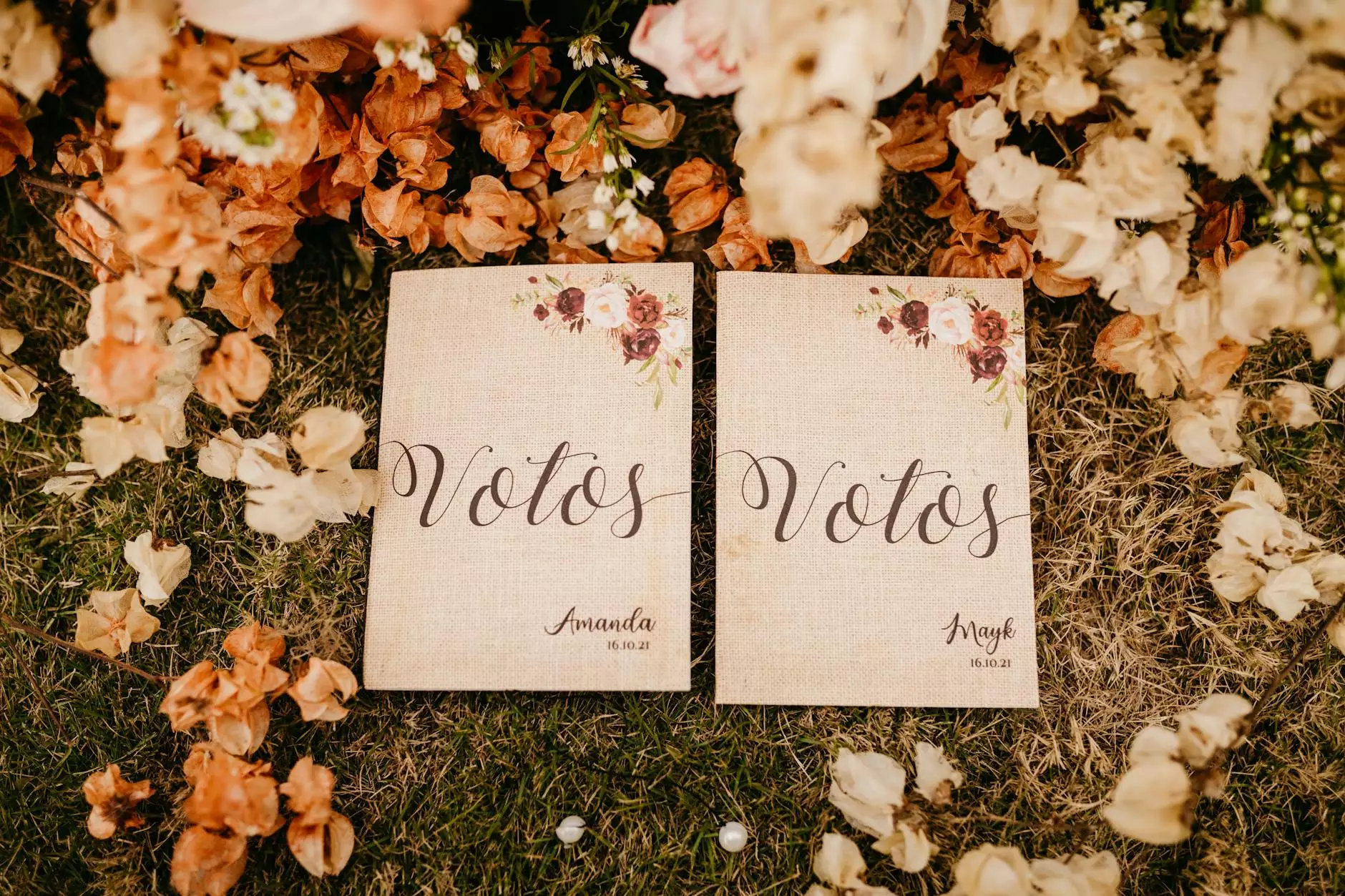
In today’s competitive business landscape, effective marketing materials such as booklets, brochures, and catalogs are essential for communicating your brand story, product offerings, and corporate identity. But one of the significant considerations that businesses face is booklet printing cost. Understanding how printing costs are calculated, what factors influence them, and how to optimize your budget without compromising quality can make a decisive difference in your marketing strategy.
Understanding the Components of Booklet Printing Cost
Before delving into cost-saving strategies, it’s important to understand the fundamental components that contribute to the overall booklet printing cost. These factors include:
- Page Count: Number of pages in the booklet directly affects the cost. More pages generally mean higher costs due to increased material usage and printing time.
- Sheet Size and Format: Standard sizes like A4, A5, or custom dimensions influence material and production costs.
- Design Complexity: Full-color vs. monochrome, intricate graphics, and special finishes impact expenses.
- Paper Quality: Heavier or premium paper stocks cost more but enhance the perceived value of your booklet.
- Binding Type: Options such as saddle-stitching, perfect binding, or spiral binding have different price points.
- Print Quantity: Larger orders tend to reduce the unit cost due to economies of scale.
- Turnaround Time: Rush orders may incur additional charges but can be managed with strategic planning.
- Finish and Special Features: Matte or glossy coatings, embossing, foil stamping, and laminations add to costs but boost visual appeal.
The Impact of Quantity on Booklet Printing Cost
One of the most significant factors affecting booklet printing cost is the order volume. Generally, printing in bulk results in a lower per-unit cost. This is due to the fixed costs associated with setup, design, and plate creation being spread over a larger number of copies.
For example, a small batch of 50 booklets might have a higher per-unit cost due to setup fees, while printing 500 or 1000 copies can dramatically lower the overall cost per booklet. This economies of scale makes bulk printing an attractive option for marketing campaigns, corporate brochures, and product catalogs.
Choosing the Right Printing Material to Balance Cost and Quality
Material selection plays a vital role in the overall booklet printing cost. High-quality papers and finishes elevate the perceived value of your booklet but come at a cost. Here are some tips for balancing quality and budget:
- Standard Paper Stock: Opt for 150-170 gsm uncoated or coated paper for a professional look without excessive expense.
- Recycled Paper: Environmentally friendly and often more affordable, recycled paper can reduce costs while aligning with eco-conscious branding.
- Finishing Options: A simple matte or gloss coating suffices for many purposes, but avoid unnecessary embellishments that inflate costs.
- Specialty Papers: Only choose specialty papers for premium editions to maximize impact without overspending on bulk print runs.
Design Considerations Impacting Booklet Printing Cost
Design intricacies directly influence printing expenses. Complex graphics, high-resolution images, and custom artwork require more ink, longer printing times, and more careful handling, all contributing to increased costs.
To keep expenses manageable:
- Use optimized color schemes, such as vibrant four-color printing only where necessary, and save monochrome pages for simpler content.
- Limit the use of full-page images to reduce ink usage and speed up production.
- Maintain design simplicity to avoid costly special effects or finishes.
- Work with professional designers to create print-ready files that minimize errors and reprints.
Optimal Binding and Finishing Options for Cost-Effective Booklets
The choice of binding and finishing can significantly influence the booklet printing cost. Here are some common options:
- Saddle Stitching: The most economical binding method suitable for booklets under 48 pages, offering fast turnaround and minimal costs.
- Perfect Binding: Ideal for larger booklets or catalogs; provides a professional look but costs more than saddle stitching.
- Spiral or Coil Binding: Suitable for manuals and presentations, providing durability and reusability at a moderate cost.
- Special Finishes: Spot UV coatings, embossing, or foil stamping add luxury but increase the total cost significantly. Use selectively for high-impact marketing.
How to Reduce Booklet Printing Cost Without Compromising Quality
Strategic planning and collaboration with experienced printers like printitza.co.za can help you maximize your budget. Here are essential tips to keep costs manageable:
- Plan Your Print Run: Estimate your needs accurately to avoid overordering or underordering, both of which can lead to unnecessary expenses or shortages.
- Choose the Right Printing Partners: Partner with professional printers offering competitive rates and high-quality results, like printitza.co.za, which specializes in a wide range of printing services.
- Leverage Bulk Discounts: Consolidate print jobs to qualify for volume-based discounts.
- Limit Finishing and Special Effects: Use finishing options strategically to highlight key areas rather than over-invest across the entire booklet.
- Digitize Some Content: Incorporate digital elements, such as QR codes, to reduce the need for elaborate print details for certain sections.
- Request Incentives and Quotes: Always seek multiple quotes and ask for bundled service discounts, including design, printing, and delivery.
The Role of Digital Printing in Cost Savings
While traditional offset printing is cost-effective for large runs, digital printing has revolutionized the landscape by offering:
- Lower setup costs for small quantities
- Shorter turnaround times
- Unlimited customization options
- Reduced wastage, lowering overall booklet printing cost
Digital printing is ideal for test runs, prototypes, or localized campaigns where flexibility and cost-efficiency are prioritized.
Why Professional Printing Services Are Worth the Investment
While DIY printing might seem appealing to cut costs, professional services like printitza.co.za offer advantages that justify the expense:
- Superior Quality: Consistent color accuracy, sharp images, and precise binding.
- Time Savings: Fast production cycles with reliable delivery schedules.
- Expert Guidance: Assistance with design, material selection, and finishing options for optimal results.
- Cost Transparency: Clear pricing without hidden charges, enabling better budget management.
- Eco-Friendly Practices: Use of sustainable materials and processes reducing environmental footprint.
Conclusion: Making the Most of Your Booklet Printing Cost
Understanding the intricacies of booklet printing cost empowers businesses to make informed decisions, balancing quality and affordability. By carefully selecting the right materials, binding options, and quantity, and collaborating with trusted printing experts like printitza.co.za, you can produce professional, compelling booklets that enhance your brand and resonate with your target audience.
Maximize your marketing impact without overspending — choose strategic approaches that optimize every rand spent on printing. Remember, an investment in quality printing reflects directly on your brand image and can yield substantial returns in customer engagement and perception.